
 English
English
English
Ureda Naturals manufactures Vitamin K2 MK-7 (Menaquinone-7) in pure powder, premix powder, encapsulated powder and oil-based formats for nutraceuticals, dietary supplements, functional foods, beverages, oral liquids, softgels and lipid-based formulations.
Available options include pure powder with an assay of ≥98%, powder and encapsulated grades at ≥2000 ppm, and MCT oil grades from 1500 to 50000 µg/g. Soybean oil, olive oil, sunflower seed oil and other carrier systems can also be developed according to the finished-product process.
Vitamin K2 MK-7 is not a single interchangeable raw material. The selected format affects dosing, powder handling, mixing, dispersion, fill weight and finished-product stability.
High-purity powder is suitable for concentrated dry formulations. Carrier-based premix powder provides a larger dosing volume and more manageable powder handling. Encapsulated powder is designed for applications that require improved dispersion or additional protection during processing. Oil-based Vitamin K2 MK-7 is intended for softgels, oil drops and other formulations containing a lipid phase.
Ureda Naturals supplies Vitamin K2 MK-7 formats and concentration levels that can be matched to different finished-product manufacturing processes.
| Item | Information |
|---|---|
| Product name | Vitamin K2 MK-7 |
| Chemical name | Menaquinone-7 |
| CAS number | 2124-57-4 |
| Molecular formula | C46H64O2 |
| Molecular weight | 649.0 g/mol |
| Available forms | Pure powder, premix powder, encapsulated powder and oil |
| Application areas | Nutraceuticals, dietary supplements, functional foods, beverages, oral liquids, softgels and lipid-based formulations |
| Format | Typical specification | Carrier or composition | Recommended use |
|---|---|---|---|
| Pure powder | ≥98% | High-purity Vitamin K2 MK-7 | Concentrated dry formulations and premix development |
| Premix powder | ≥2000 ppm | MCC, maltodextrin or dicalcium phosphate | Capsules, tablets, sachets and dry blends |
| Encapsulated powder | ≥2000 ppm | Multiple excipients selected for dispersion and protection | Beverages, oral liquids, gummies and premix systems |
| T-1500 oil | ≥1500 µg/g | 0.15% Vitamin K2 MK-7 in MCT oil | Softgels, drops and low-concentration oil systems |
| T-4500 oil | ≥4500 µg/g | 0.45% Vitamin K2 MK-7 in MCT oil | Softgels and compact oil formulations |
| T-10000 oil | ≥10000 µg/g | 1.0% Vitamin K2 MK-7 in MCT oil | Higher-strength oil systems and softgel fills |
| T-50000 oil | ≥50000 µg/g | 5.0% Vitamin K2 MK-7 in MCT oil | High-strength oil formulations and reduced fill volume |
| Custom grade | Project-specific | Carrier, assay and format selected for the formulation | Product development and specific market requirements |
The T-1500, T-4500, T-10000 and T-50000 series use MCT oil as the carrier. Soybean oil, olive oil and sunflower seed oil can also be considered when the finished formulation requires a different oil phase.
The carrier affects dosing volume, powder flow, dust generation, bulk density, blend uniformity and feeding consistency.
MCC premix is suitable for capsules, tablets and dry blends where powder handling, continuous feeding and blend uniformity are important.
Maltodextrin premix is suitable for sachets, powdered beverages and instant dry blends. It provides a larger dosing volume and can be incorporated with other carbohydrate-based powder ingredients.
Dicalcium phosphate premix can be considered for tablet systems that require compatibility with mineral excipients, compression control and defined tablet weight.
Encapsulated powder is suitable for formulations that require improved dispersion, additional protection or more consistent distribution of Vitamin K2 MK-7 in a larger powder matrix.
Oil concentration determines the amount of Vitamin K2 MK-7 oil required to deliver a defined active amount.
| Oil grade | Active concentration | MCT oil content | Oil required for 100 µg Vitamin K2 MK-7 |
|---|---|---|---|
| T-1500 | 1500 µg/g | 99.85% | Approximately 66.7 mg |
| T-4500 | 4500 µg/g | 99.55% | Approximately 22.2 mg |
| T-10000 | 10000 µg/g | 99.00% | Approximately 10.0 mg |
| T-50000 | 50000 µg/g | 95.00% | Approximately 2.0 mg |
Lower-concentration oil grades are suitable when a larger fill volume is acceptable. Higher-concentration grades reduce the amount of oil required per serving and are suitable when capsule size, fill weight or product volume must be controlled.
Pure powder and carrier-based premix powder can both be used as starting materials for dry formulations. Pure powder reduces the amount of carrier introduced into the formula, while premix powder provides a larger and more manageable dosing volume.
Capsule and tablet development should review active concentration, powder flow, carrier compatibility, bulk density, blend uniformity, segregation, capsule fill weight and tablet compression performance.
Pure Vitamin K2 MK-7 powder is not automatically a water-dispersible ingredient. Direct addition may result in poor wetting, floating particles, sedimentation or uneven distribution.
For beverages and oral liquids, an encapsulated or water-dispersible powder should be evaluated through the actual process. Important factors include hydration, dispersion, sedimentation, pH, mineral interaction, protein interaction, homogenization, heat treatment, holding time, light exposure and storage.
Oil-based Vitamin K2 MK-7 is suitable for softgels, oil drops and other products containing a lipid phase. The selected concentration should match the required active amount, capsule size, fill weight and dosing precision.
Development should review oil compatibility, capsule-shell compatibility, filling temperature, light exposure, oxygen exposure and storage appearance.
Oil grades can be incorporated into fat-containing foods, oil blends and other lipid-based systems. The formulation should be evaluated for mixing temperature, oil compatibility, light exposure, oxygen exposure, packaging material and finished-product storage.
| Test item | Requirement | Method or reference |
|---|---|---|
| Appearance | Light yellow transparent oily liquid | Visual assessment |
| Identification 1 | Sample chromatographic profile corresponds to the reference standard | Chromatographic comparison |
| Identification 2 | Major peak retention time corresponds to the reference standard | HPLC |
| Menaquinone-6 | ≤10% of the labelled Vitamin K2 MK-7 amount | HPLC |
| Cis-Menaquinone-7 | ≤2% | HPLC |
| Arsenic | ≤2.0 µg/g | ICP-MS |
| Lead | ≤3.0 µg/g | ICP-MS |
| Mercury | ≤0.1 µg/g | ICP-MS |
| Cadmium | ≤1.0 µg/g | ICP-MS |
| Total bacterial count | ≤1000 CFU/g | Microbiological testing |
| Mold and yeast | ≤100 CFU/g | Microbiological testing |
| Escherichia coli | Absent in 10 g | Microbiological testing |
| Salmonella | Absent in 10 g | Microbiological testing |
| Staphylococcus aureus | Absent in 10 g | Microbiological testing |
| Powder format | Specification information |
|---|---|
| Pure powder | Assay ≥98% |
| Premix powder | Vitamin K2 MK-7 ≥2000 ppm |
| Encapsulated powder | Vitamin K2 MK-7 ≥2000 ppm |
| Available carriers | MCC, maltodextrin, dicalcium phosphate and selected encapsulation systems |
| Typical applications | Capsules, tablets, sachets, dry blends, beverages, oral liquids and gummies |
Powder flow, bulk density, moisture exposure, particle distribution, mixing sequence and packaging conditions can affect manufacturing performance.
Ureda Naturals provides documentation for product qualification, supplier evaluation and finished-product development.
The COA provides batch-specific test results. The TDS defines the product specification and format. The SDS provides handling and safety information. Certification and regulatory documents support supplier qualification and customer quality-system review.

Vitamin K2 MK-7 powder and oil grades differ in carrier, concentration, physical behavior and processing requirements. Powder grades are designed for dry blending, compression and powder filling, while oil grades are intended for softgels, drops and lipid-based systems. Replacing one format with another requires a review of dosing, mixing, fill weight, dispersion and storage performance.
MCC premix is commonly selected for capsules, tablets and dry blends because it provides a manageable powder matrix and supports consistent feeding. Dicalcium phosphate can be considered when the tablet formula already uses mineral excipients and requires a compatible compression system.
Pure Vitamin K2 MK-7 powder is not automatically water-dispersible. Encapsulated or water-dispersible powder is designed to distribute more evenly in an aqueous system. Beverage development should evaluate hydration, sedimentation, pH, minerals, proteins, homogenization, heat treatment, holding time and storage conditions.
T-1500 is suitable when a larger oil volume is acceptable. T-4500 provides a middle concentration for compact oil systems. T-10000 is suitable when the fill weight must be reduced, while T-50000 is designed for high-strength formulations with very low oil volume.
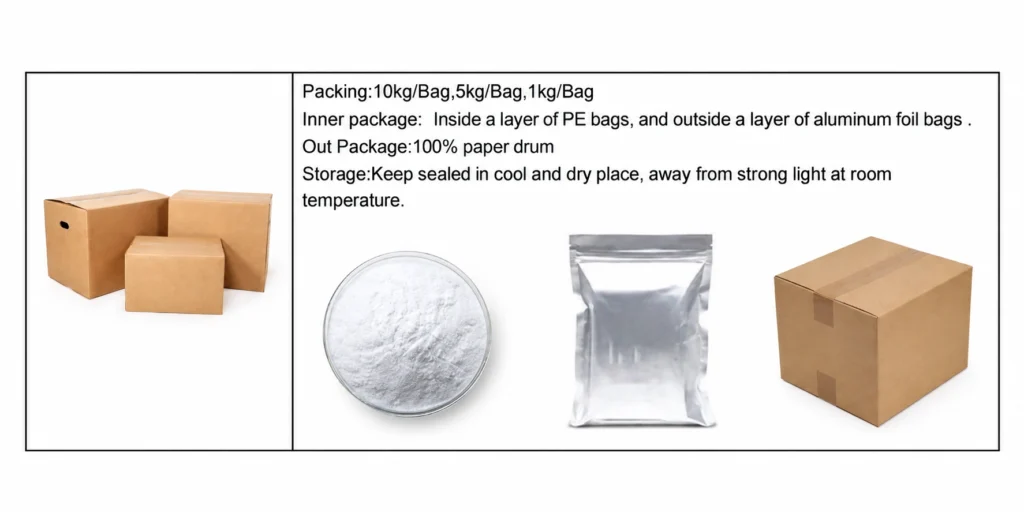
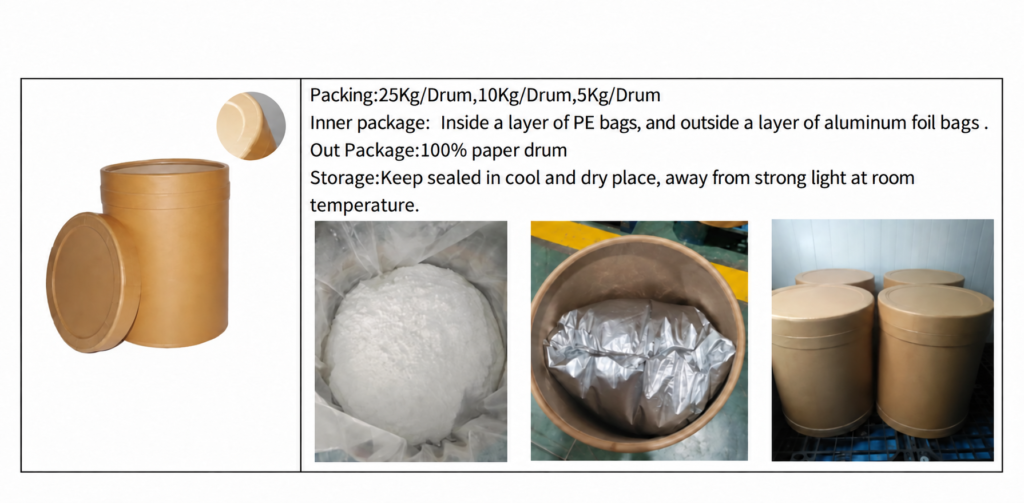
Vitamin K2 MK-7 is sensitive to light, oxygen, heat and moisture. Nitrogen filling, sealed aluminum packaging and protection from strong light help reduce exposure during storage and transportation. The container should remain closed until the material is ready for use.
Oil grades should also be reviewed for appearance, chromatographic identification, Menaquinone-6, cis-Menaquinone-7, heavy metals and microbiological quality. For powder grades, carrier composition, powder flow, bulk density, moisture exposure and blend uniformity are important for manufacturing performance.
Pure powder should not be treated as a ready-to-use water-soluble ingredient. Direct addition may lead to poor wetting, floating particles, sedimentation or uneven distribution. For beverages and oral liquids, a water-dispersible or encapsulated powder should be evaluated through the actual beverage process.
Carrier replacement can change active concentration, viscosity, oil behavior, powder flow, density, dispersion, taste and compatibility with the finished-product matrix. The replacement should be assessed through a small-scale trial that reflects the actual mixing temperature, shear, filling process, packaging material and storage conditions.
For concentrated dry formulations, choose pure Vitamin K2 MK-7 powder. For capsules, tablets and dry blends that require easier dosing and handling, select a carrier-based premix. For beverages and oral liquids, evaluate an encapsulated or water-dispersible powder. For softgels and oil-based products, select the MCT oil grade according to the required active amount and fill weight.
Ureda Naturals supplies Vitamin K2 MK-7 in multiple formats and concentration levels, with product-specific quality documentation, packaging options and technical support for finished-product development.
INGREDIENT PARTNER
Tell us your intended application, approximate quantity and target market. Ureda Naturals will confirm the closest grade, packaging configuration and available documentation for your project.

